- +255 764 668 533 | +255 766 990 485 |
- info@opeditetravels.com

How Much Does a Tanzania Safari Cost?
One of the first questions many travellers ask when planning a tour is how much a Tanzanian safari costs. It is a reasonable question but the answer isn’t always straightforward.
Unlike many holidays where prices are fairly standard, every safari is unique. The cost depends on several factors including number of days, parks visited, type of accommodation chosen, time of the year and whether you are traveling privately or in a group.
Understanding what goes into the cost of a safari not only helps you plan your budget but also gives you a clearer picture of the experience you are investing in.
Understanding Safari Pricing
Every Safari is Different
No two safaris are the same, which is why prices can vary considerably. A three-day safari visiting nearby parks will naturally cost less than a ten-day journey covering multiple destinations with luxury accommodations.
Rather than thinking of a safari as a fixed product, it's better to think of it as a personalized travel experience. Your itinerary is carefully designed around your interests, travel style, available time and budget, with each decision influencing the overall cost.
The Length of Your Safari
One of the biggest factors affecting the price is the duration of your trip.
A longer safari usually involves more accommodation, additional park entry fees, meals and increased travel distances. While longer itineraries cost more, they also provide the opportunity to explore a greater variety of landscapes, observe wildlife and enjoy the safari at a relaxed pace.
For many first-time visitors, finding the right balance between the number of days available and the experiences they hope to have is often more important than simply choosing the longest itinerary.
The Attractions You Will Visit
Tanzania is home to a remarkable variety of national parks, conservation areas, islands and game reserves, each offering something unique. The attractions you choose to visit can also influence the overall cost of your safari.
Some destinations are located closer together, making travel between them relatively straightforward, while others require longer driving distances or domestic flights. They also have different conservation or park entry fees, which form part of your safari package.
The choice of destination should ultimately reflect the type of experience you are looking for rather than focusing solely on cost.
Time of the Year You Travel
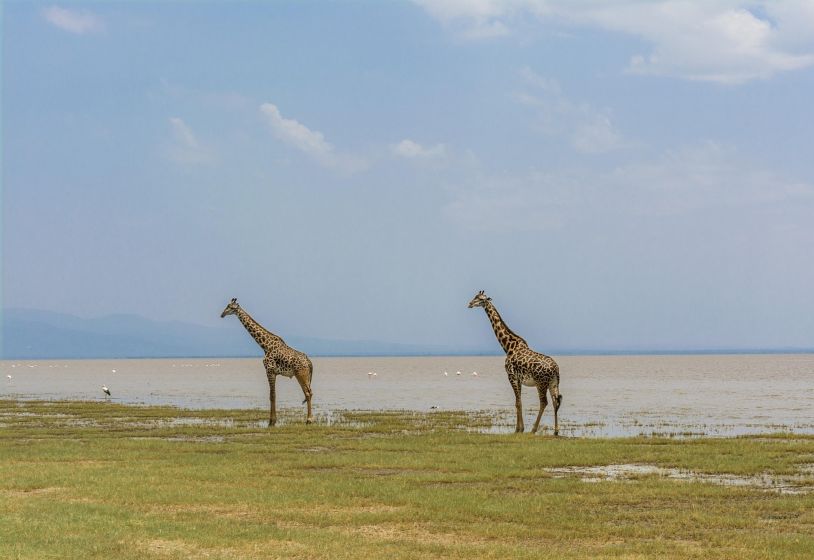
The time of year you choose to travel is also one of the key factors influencing the cost of a Tanzania safari. Most lodges, hotels and tented camps operate with seasonal rates, meaning their prices vary throughout the year.
During high or peak seasons, accommodation rates are generally higher due to increased demand. This implies that the same room at the same property costs considerably more than it would during the low season. Since accommodation forms a significant part of a safari package, these seasonal rate changes have a direct impact on the overall cost of your trip.
During the low season, many accommodations offer reduced rates making it possible to enjoy the same destinations at a lower cost. Choosing to travel during this period can be an excellent way to make your safari more budget-friendly without necessarily changing your itinerary.
Your Choice of Accommodation
Accommodation is another important factor when planning your safari budget.
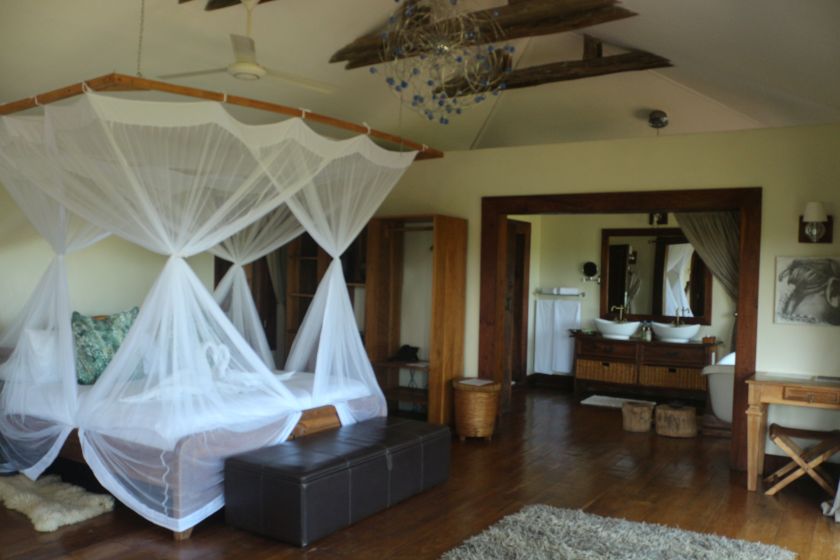
Tanzania offers a wide range of options from budget camps, comfortable lodges and authentic tented camps to luxury and exclusive properties in spectacular locations.
High-end accommodations often provide additional comfort, premium facilities and more personalized service, while mid-range and standard options still offer memorable safari experiences with excellent hospitality.
The best accommodation isn't necessarily the most expensive but the one that matches your travel style and expectations.
What Is Usually Included in a Safari?
When comparing safari prices, it is important to understand exactly what is included.
Many safari packages typically cover accommodation, safari vehicle transportation, a professional guide, park entry fees, game drives, meals as specified in the itinerary and drinking water during game drives.
Some itineraries may also include domestic flights, cultural experiences or additional activities. On the other hand, international flights, visas, travel insurance and personal expenses are often arranged individually by travellers.
Understanding what is included helps you make fair comparisons between different safari packages rather than focusing solely on the total price.
Choosing Value Over Price
When comparing safari quotations, the cheapest option is not always the best value.
A well planned safari should balance comfort, safety, reliable service, knowledgeable guiding and an itinerary that allows you to experience Tanzania at a comfortable pace. Choosing a safari based solely on the lowest price may sometimes mean compromising on important aspects of the journey.
Instead of asking, "which safari is the cheapest?" a better question might be, "which safari offers the best overall experience for my budget?"
Private Safari or Group Safari?
The type of safari you choose also plays a role in the overall cost.
A private safari provides exclusive use of the vehicle and tour guide, allowing you to travel at your own pace and enjoy a personalized itinerary tailored to your interests. This flexibility often makes private safaris a preferred choice for couples, families, photographers and travellers seeking a more personal experience.
Group safaris, where costs are shared among several travellers, are often a more economical option and can be a great way to meet people from different parts of the world.
Neither option is inherently better than the other since the right choice depends on your travel style, priorities and budget.
A Safari is More Than Transportation and Accommodation
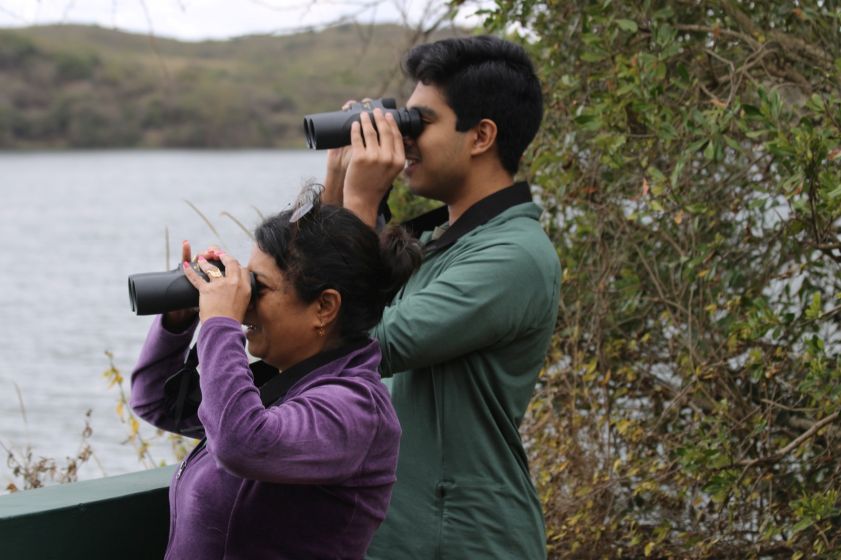
When planning a safari, it is easy to think you are paying only for hotels and transport. In reality, a safari is a carefully coordinated experience involving many different elements working together.
Behind every successful safari is detailed planning, experienced guides, well-maintained vehicles, carefully selected accommodations, park logistics and local knowledge that helps create a smooth and memorable journey.
It's these details, many of which happen behind the scenes that contribute to the quality of your overall experience.
Other Blogs

